01 / 06

Signature Programs

Our most-booked treks and tours, ready to customize.

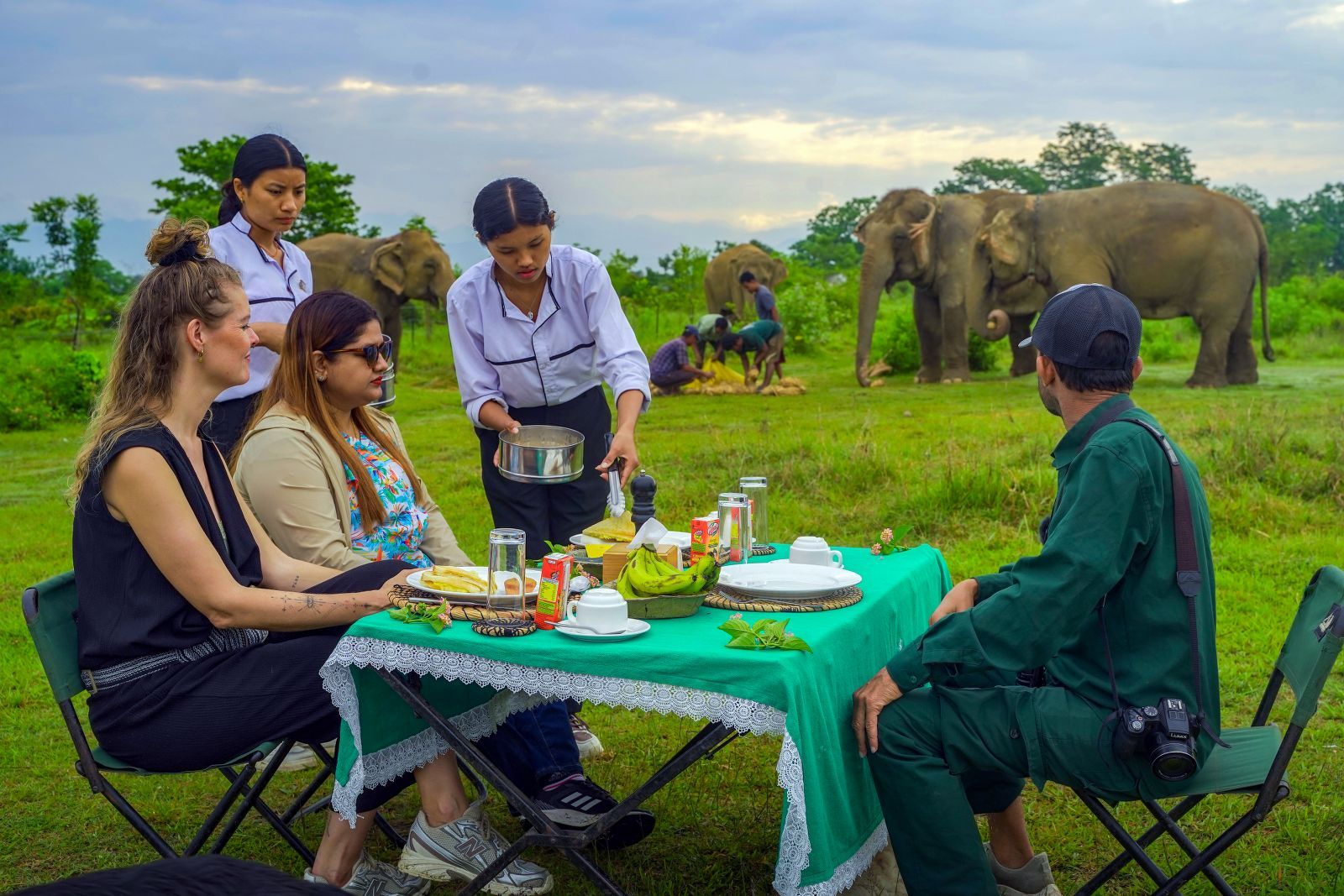
Sunrise Elephant Bush Walk with Breakfast Chitwan

Sunrise Elephant Bush Walk with Breakfast

Around 90 Minutes
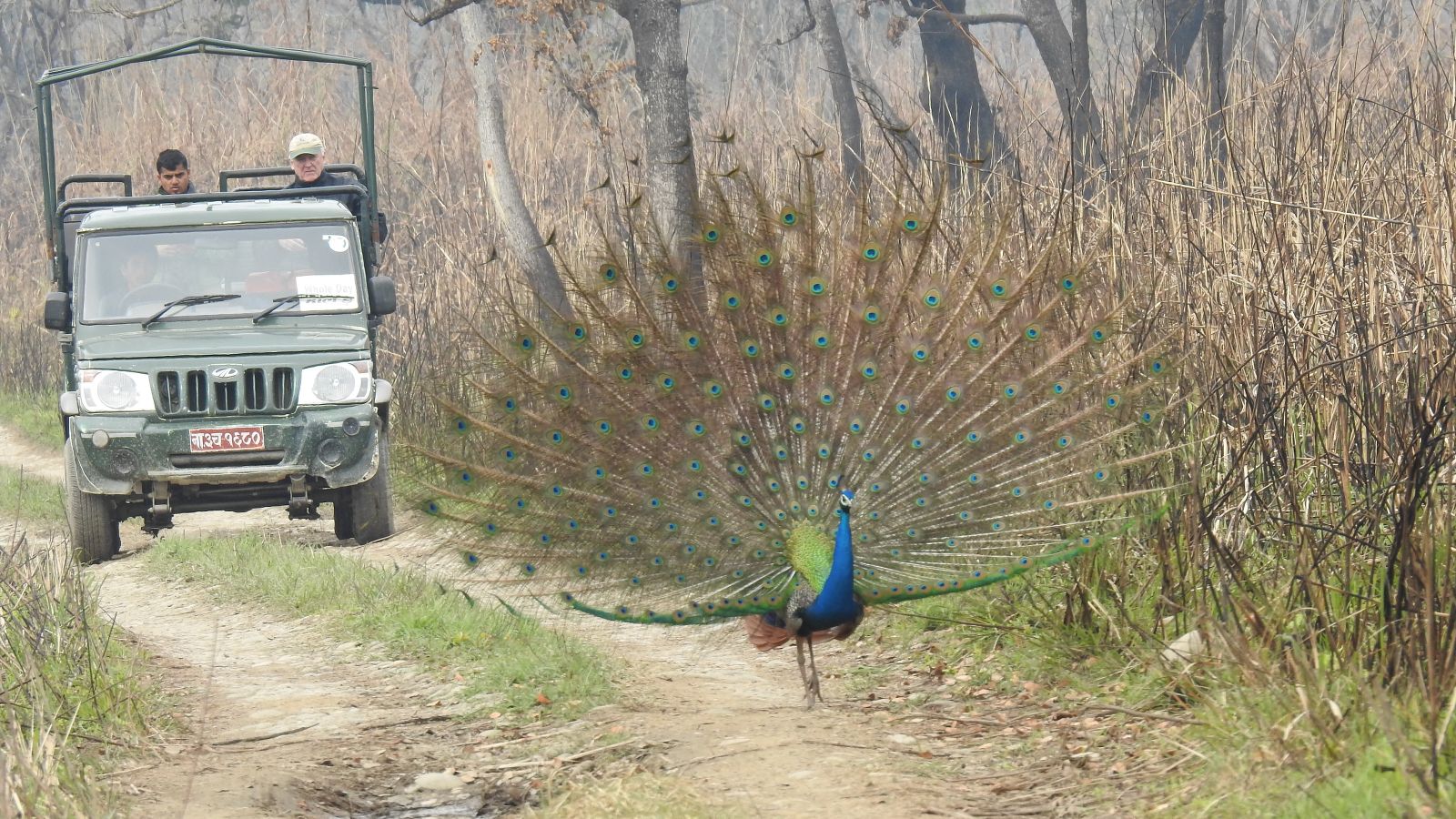
Deep Forest Full-Day Private Jeep Safari Chitwan

Deep Forest Full-Day Private Jeep Safari

8–9 Hours
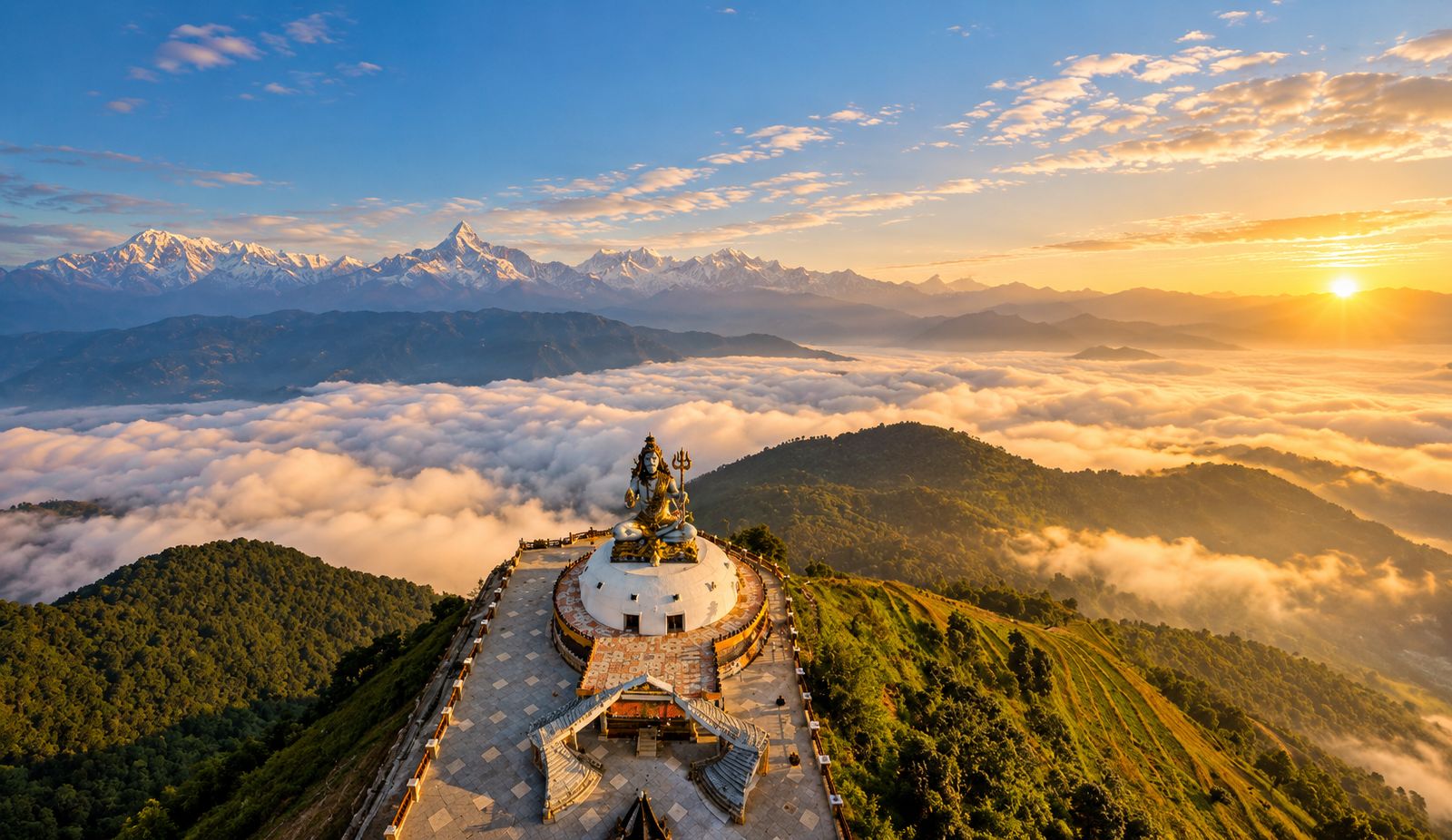
Sarangkot Sunrise and Himalayan Views Pokhara

Sarangkot Sunrise & Himalayan Views

Half Day
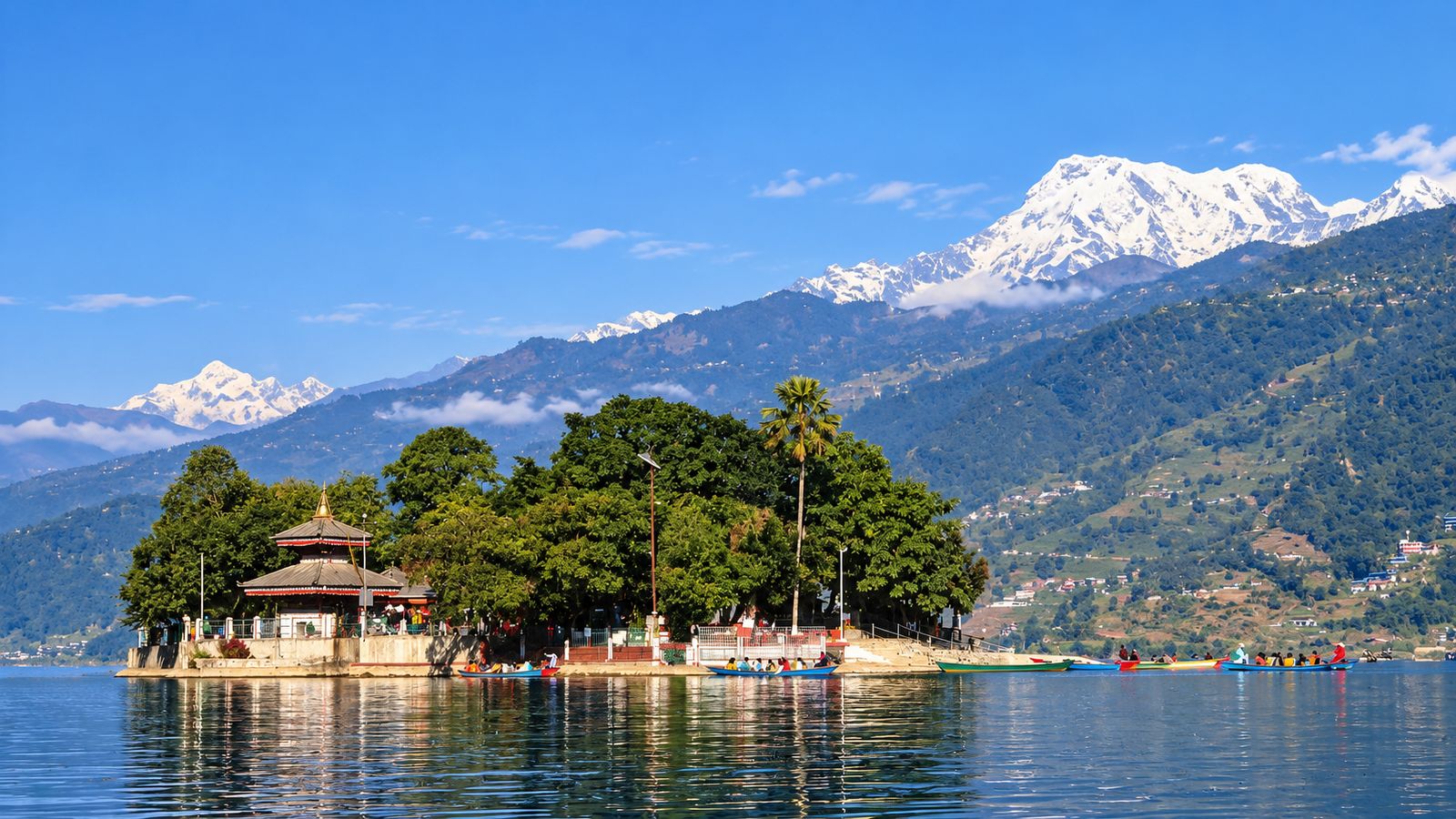
Phewa Lake Boating and Temple Visit Pokhara

Phewa Lake Boating & Temple Visit

3 Hours
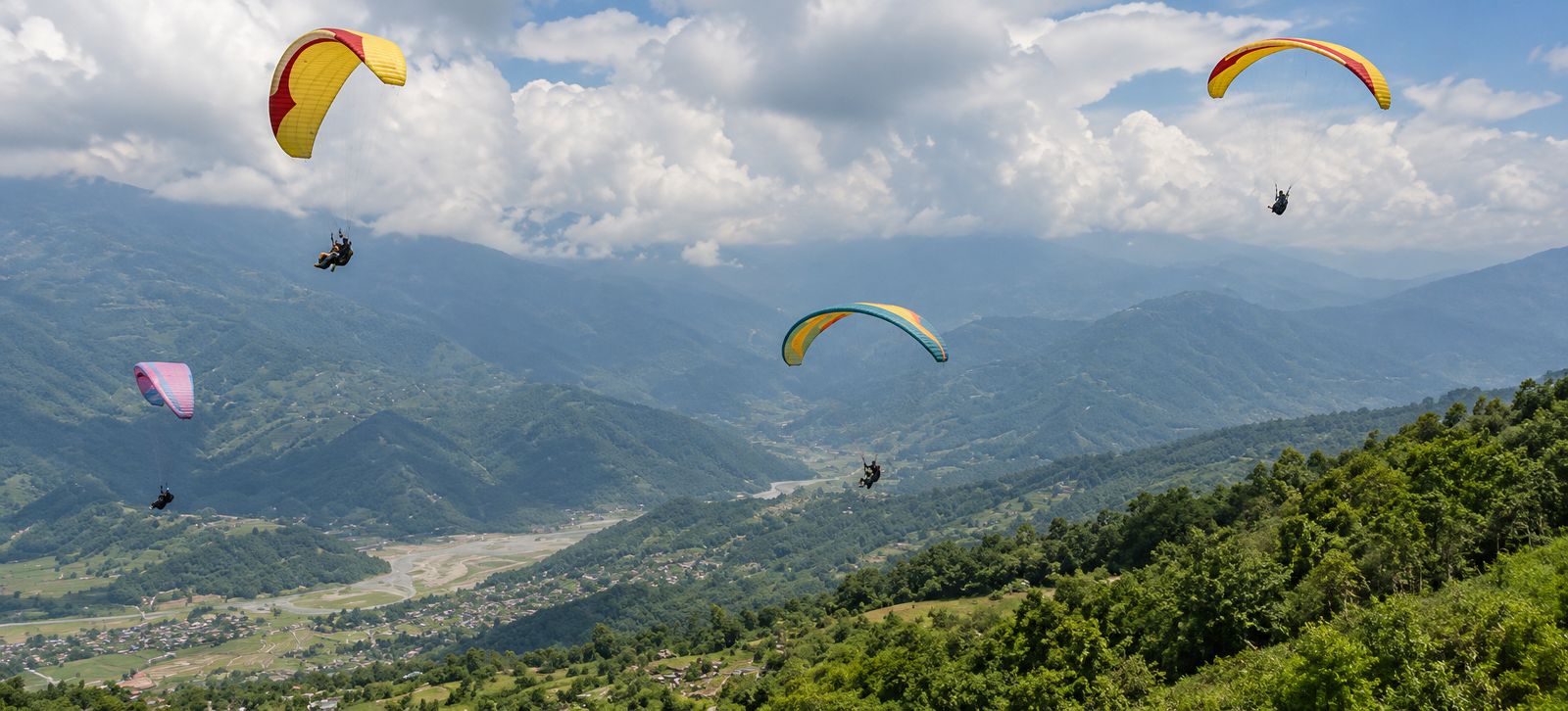
Paragliding Over the Valley Pokhara

Paragliding Over the Valley

Around 30 Minutes
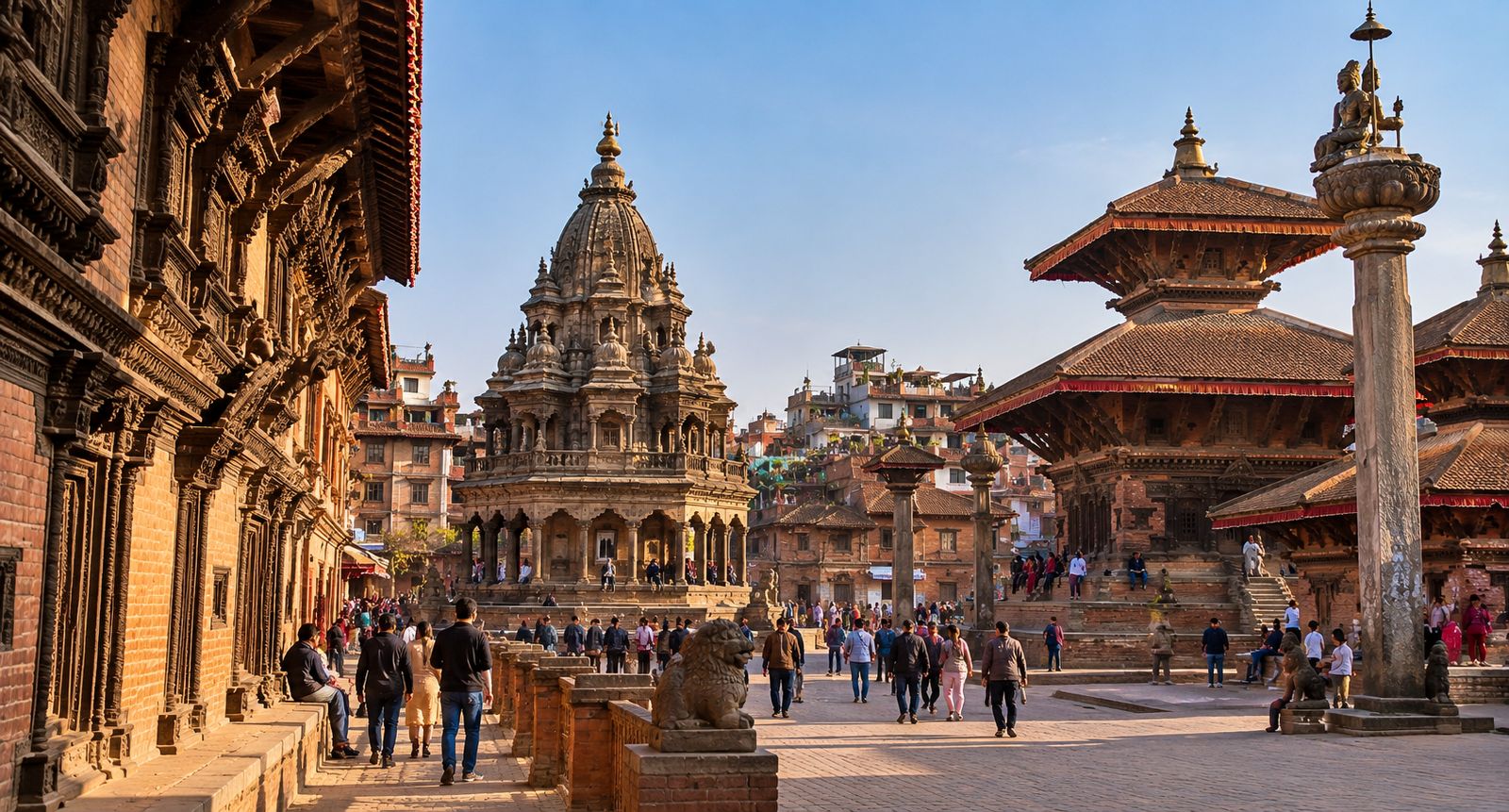
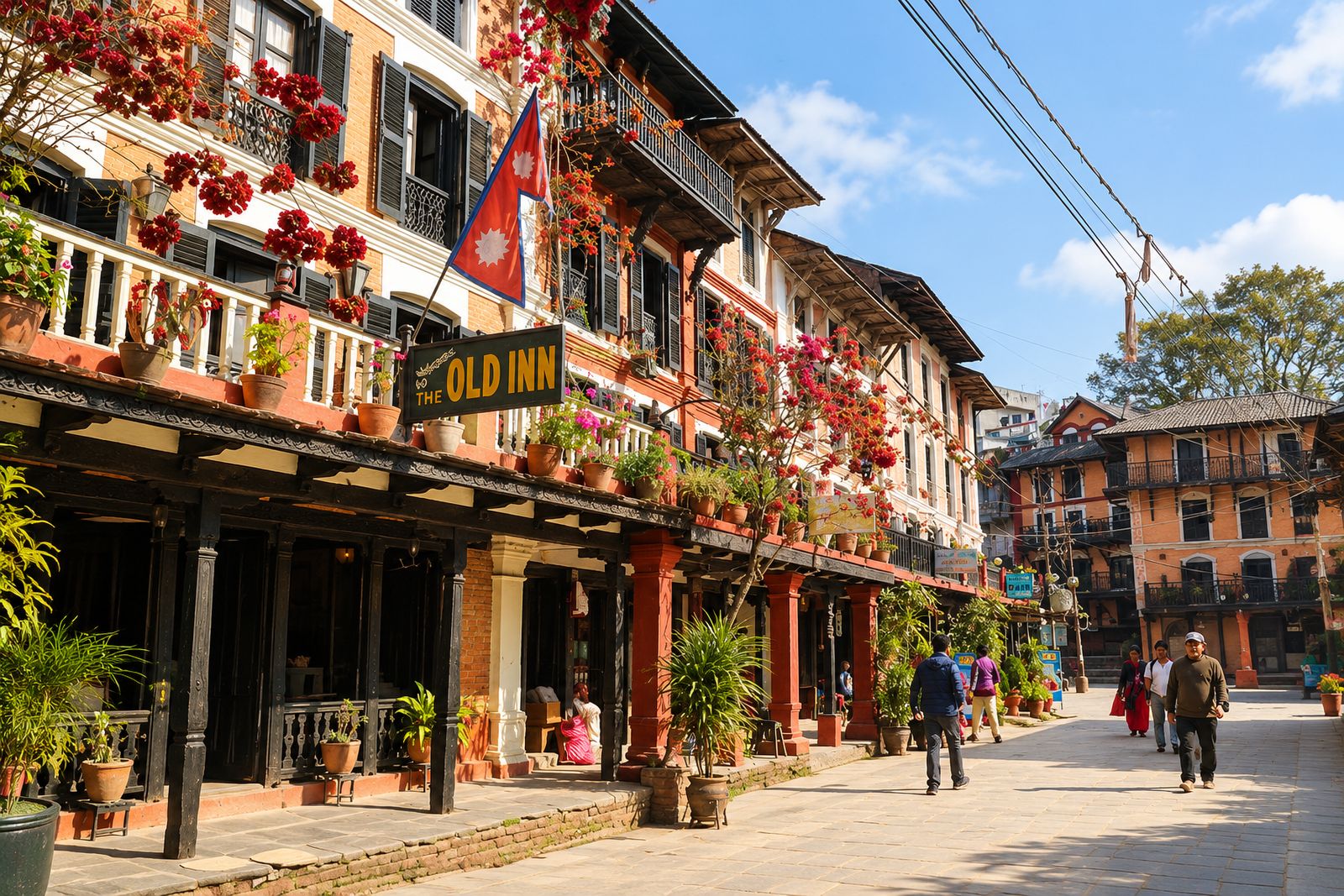
Old City Heritage Walk Kathmandu

Old City Heritage Walk

Half Day
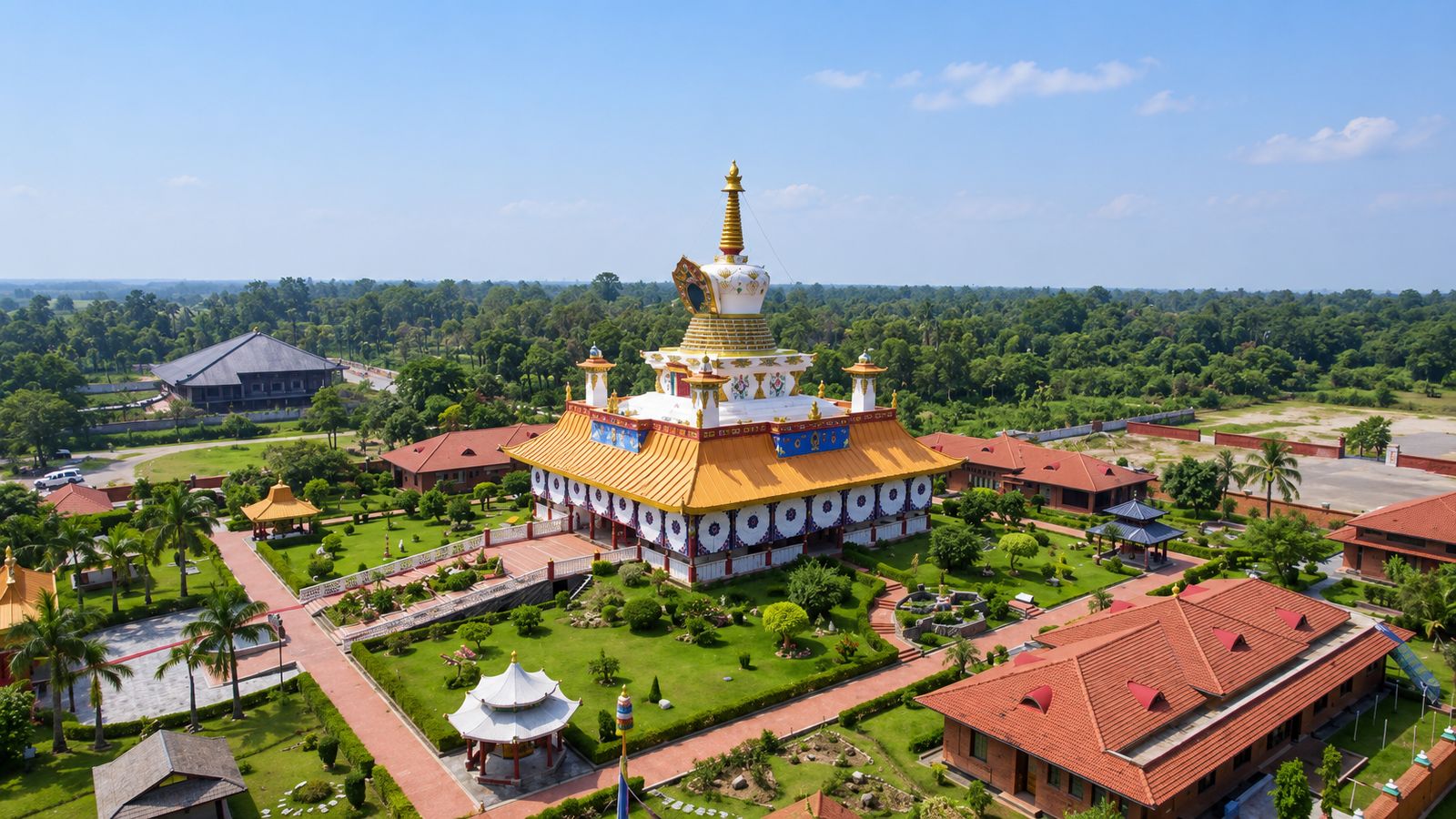
Sacred Garden Guided Tour Lumbini

Sacred Garden Guided Tour

Half Day
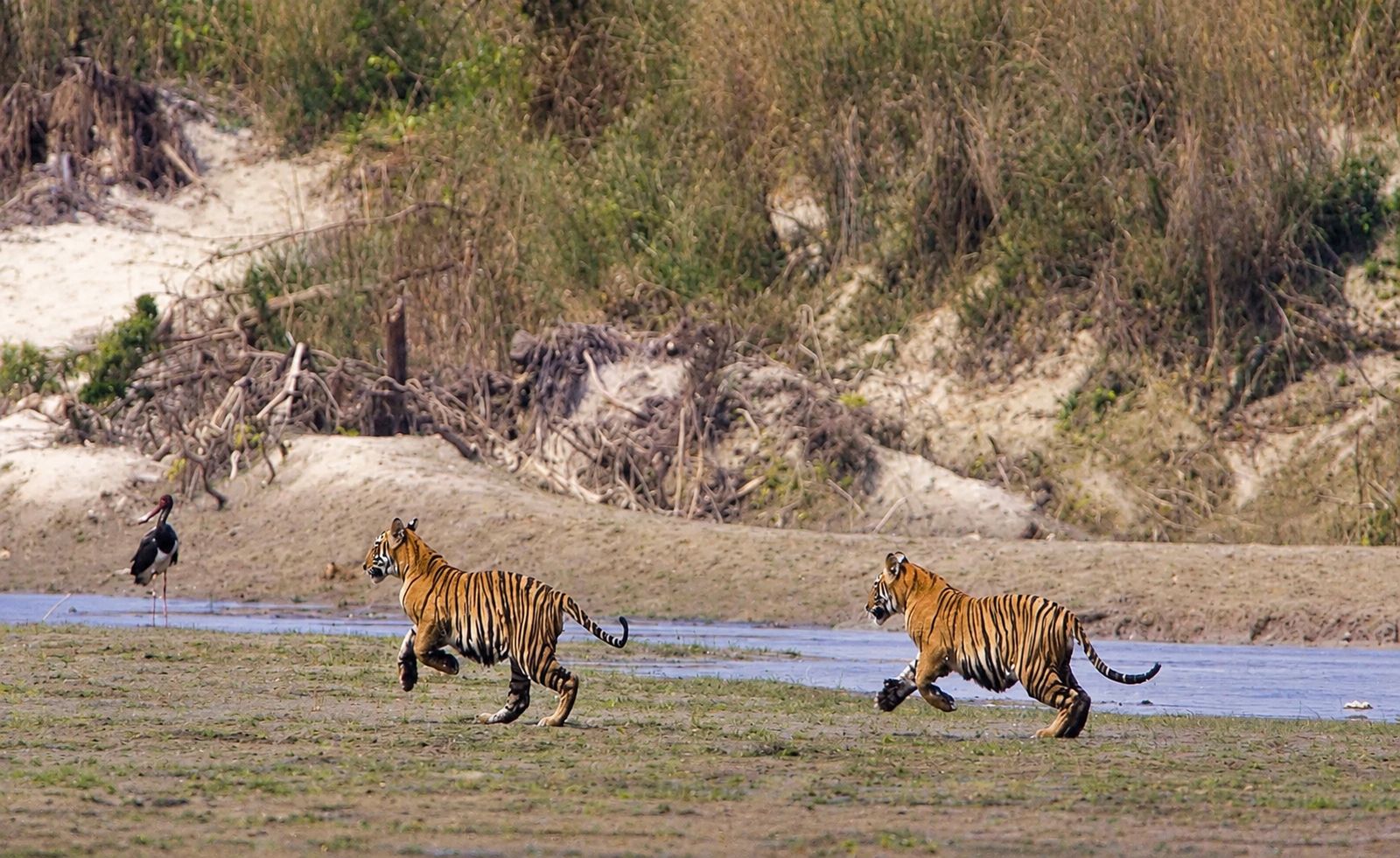
Tiger Tracking Jungle Walk Bardiya

Tiger Tracking Jungle Walk

Half Day
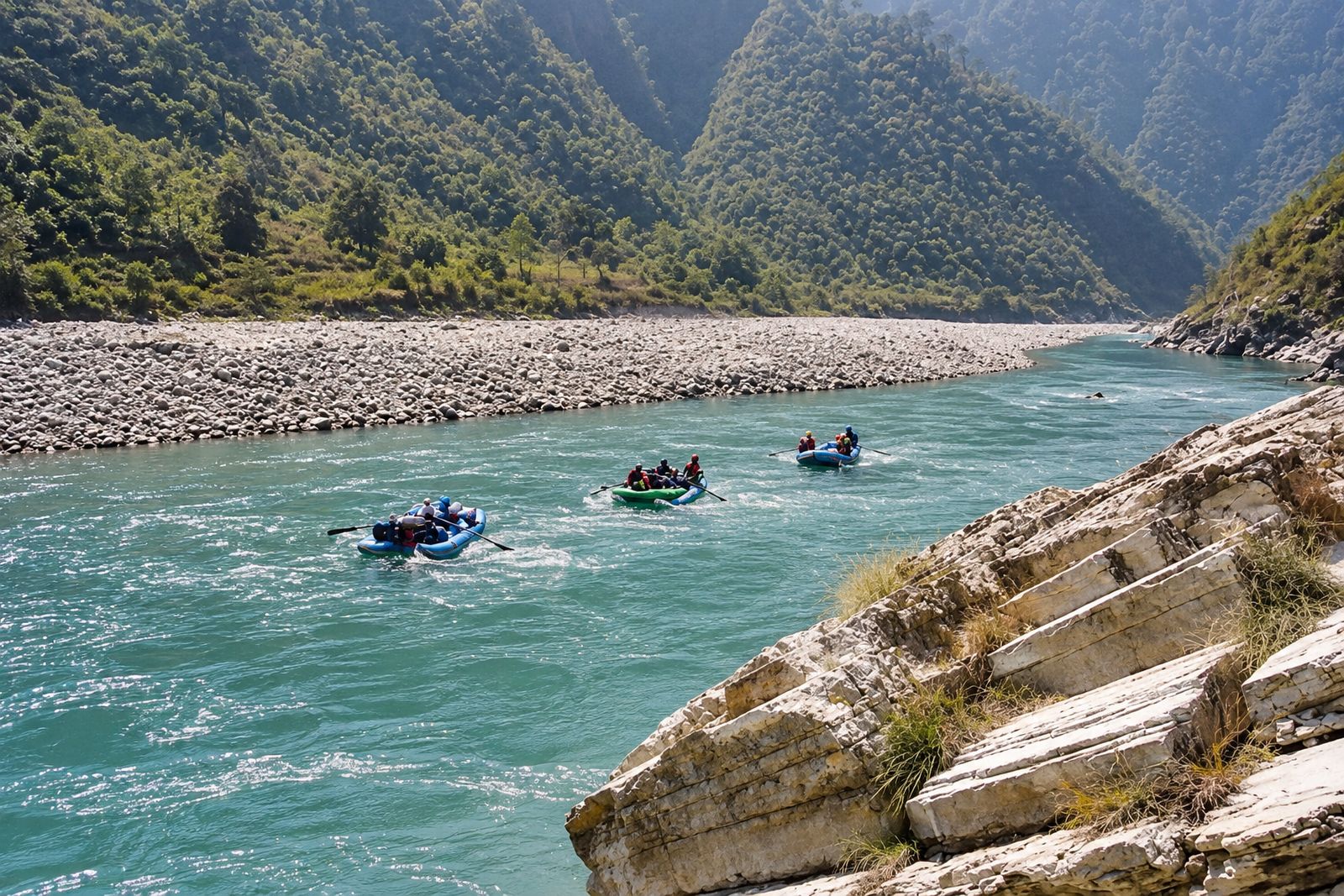
Karnali River Dolphin Boat Ride Bardiya

Karnali River Dolphin Boat Ride

3 Hours
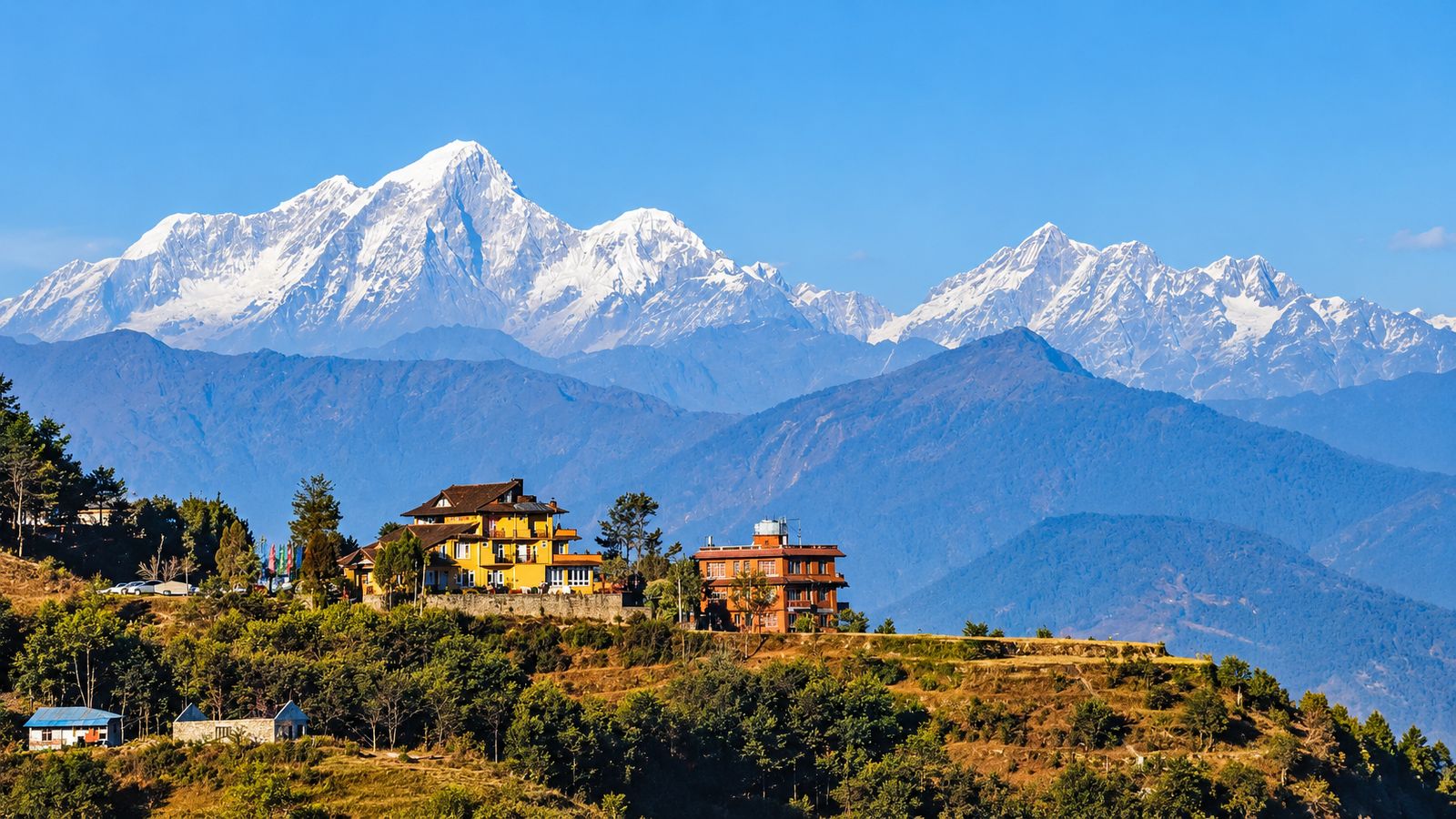
Sunrise Over the Himalayas Nagarkot

Sunrise Over the Himalayas

Around 3 Hours
Bandipur Bazaar Heritage Walk Bandipur

Bandipur Bazaar Heritage Walk

2–3 Hours

Why travel to Nepal

Few countries pack this much into so little space. In one trip you can wake up to snow peaks, spend the afternoon with a rhino, and end the day at a 2,000-year-old temple.

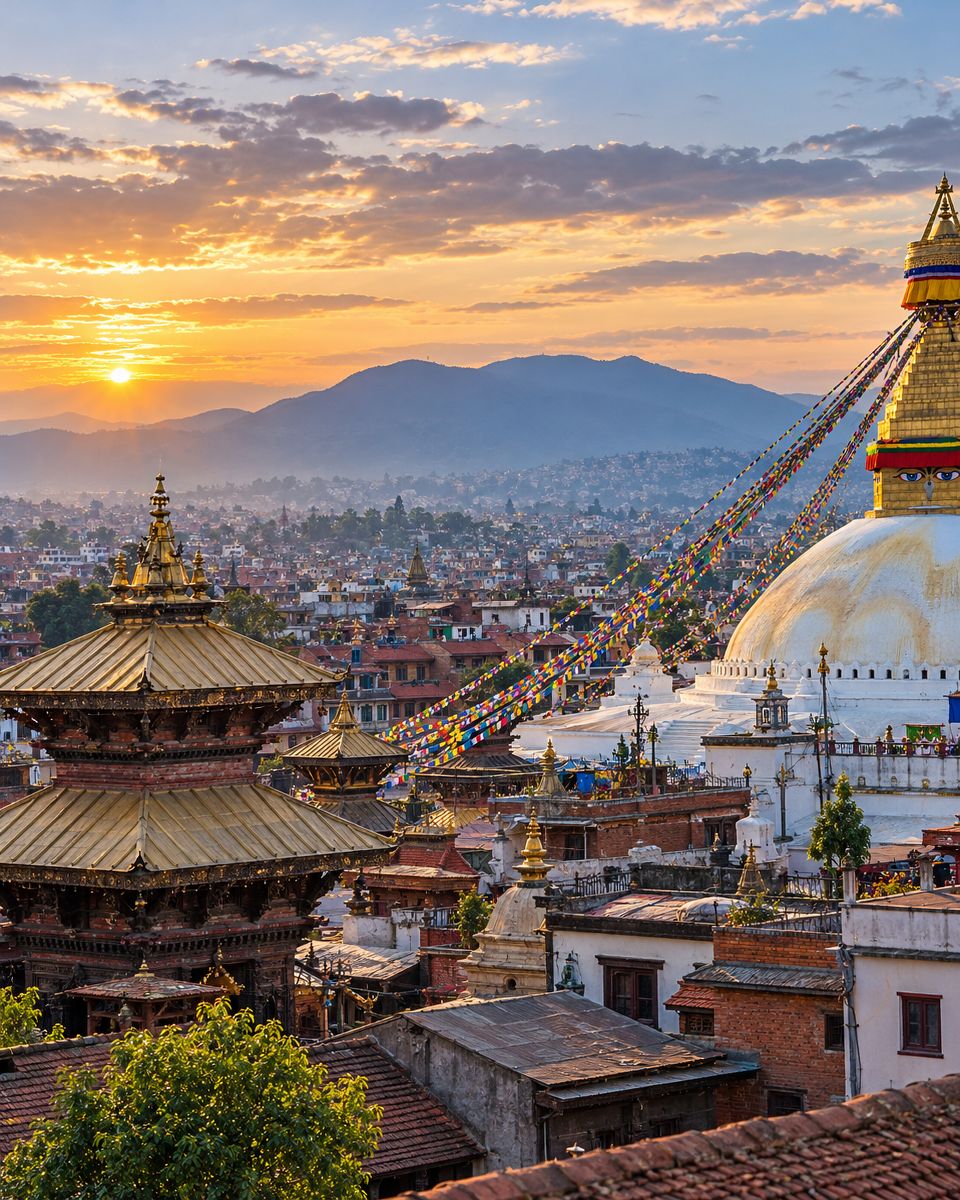
Kathmandu, Nepal
Kathmandu Valley, where seven monument zones share one UNESCO listing.
  • The highest mountains on Earth

    Eight of the world's ten tallest peaks, including Everest, are in Nepal. You don't need to trek for weeks to see them: Pokhara and Nagarkot offer Himalayan views from a hotel balcony.

  • Real wildlife, not a zoo

    Chitwan and Bardiya national parks protect one-horned rhinos, Bengal tigers, elephants, gharial crocodiles and hundreds of bird species. Jungle walks and jeep safaris are guided by trained naturalists.

  • The birthplace of Buddha

    Lumbini, in the southern Terai, is where Siddhartha Gautama was born. Pilgrims and curious travellers alike come for its quiet gardens and monasteries.

  • A living culture, not a museum

    Hindu and Buddhist traditions are woven into daily life. Festivals, prayer flags, temple bells and market chatter are part of an ordinary day, not a staged show.

  • Warm, welcoming people

    Nepali hospitality is famous for good reason. Greeting someone with "Namaste" and a smile goes a long way, and guests are treated with genuine care.

  • Easy to mix and match

    Fly in to Kathmandu, add Pokhara for lakes and mountains, and finish in Chitwan for wildlife. Distances are short, and we arrange the transport.

8,849 mHeight of Mount Everest, the highest point on Earth
4UNESCO sites: Kathmandu Valley, Sagarmatha, Chitwan and Lumbini
120+Languages spoken across Nepal's many communities
30 minMountain views to jungle safari is closer than you'd expect

A short history of Nepal

From the birth of Buddha to a modern republic, here are the moments that shaped the country you'll be visiting.

  1. c. 563 BCE

    Buddha is born in Lumbini

    Prince Siddhartha Gautama is born in the Terai plains. Emperor Ashoka later raised a pillar at the site, which still stands today.

  2. 300–879 CE

    The Licchavi period

    Kathmandu Valley becomes a centre of trade between India and Tibet. Early temples, stone inscriptions and art flourish, and the roots of Nepali architecture take shape.

  3. 1200–1768

    The Malla kingdoms

    Kathmandu, Patan and Bhaktapur compete as rival city-kingdoms and build the stunning Durbar Squares that visitors admire today, along with the Newar festivals and crafts that go with them.

  4. 1768–69

    Unification of Nepal

    Prithvi Narayan Shah of Gorkha conquers the valley and begins uniting dozens of small principalities into one kingdom.

  5. 1846–1951

    Rana rule and a closed door

    A hereditary line of prime ministers holds power while the monarchs stay symbolic. Nepal stays largely closed to outsiders for more than a century.

  6. 1953

    Everest is climbed

    Tenzing Norgay and Edmund Hillary reach the summit and Nepal's mountains become known around the world. Tourism begins to grow.

  7. 1990–2008

    Democracy and a new republic

    A people's movement restores multiparty democracy in 1990. In 2008 the monarchy ends and Nepal becomes a federal democratic republic.

  8. Today

    Open, rebuilt and welcoming

    Heritage sites damaged in the 2015 earthquake have been carefully restored, and Nepal welcomes visitors from all over the world every year.

Culture and traditions

Dozens of ethnic groups share one small country, each with its own language, dress and festivals.

Festivals all year round

Nepal has more festivals than most countries have months. Dashain and Tihar, the biggest, fill autumn with family gatherings, kites, oil lamps and marigold garlands. Holi brings colour in spring, and Buddha Jayanti honours the Buddha's birth in Lumbini.

  • Dashain
  • Tihar
  • Holi
  • Buddha Jayanti
  • Indra Jatra
  • Maha Shivaratri

Two faiths, side by side

Hinduism and Buddhism share temples, festivals and even deities. It's common to see a stupa and a Shiva shrine on the same street.

Newar art and craft

The Newar people of Kathmandu Valley are master woodcarvers, metal workers and painters. Carved windows and bronze statues are everywhere.

Tharu life in the Terai

Around Chitwan and Bardiya, the Tharu people have lived beside the jungle for centuries. Stick dance, mud houses and village homestays give a warm look at their way of life.

Music and dance

From the madal drum to the sarangi, folk songs and dances mark weddings, harvests and festivals across the hills.

What you'll eat in Nepal

Simple, hearty and full of spice. These are the dishes our guests ask about most.

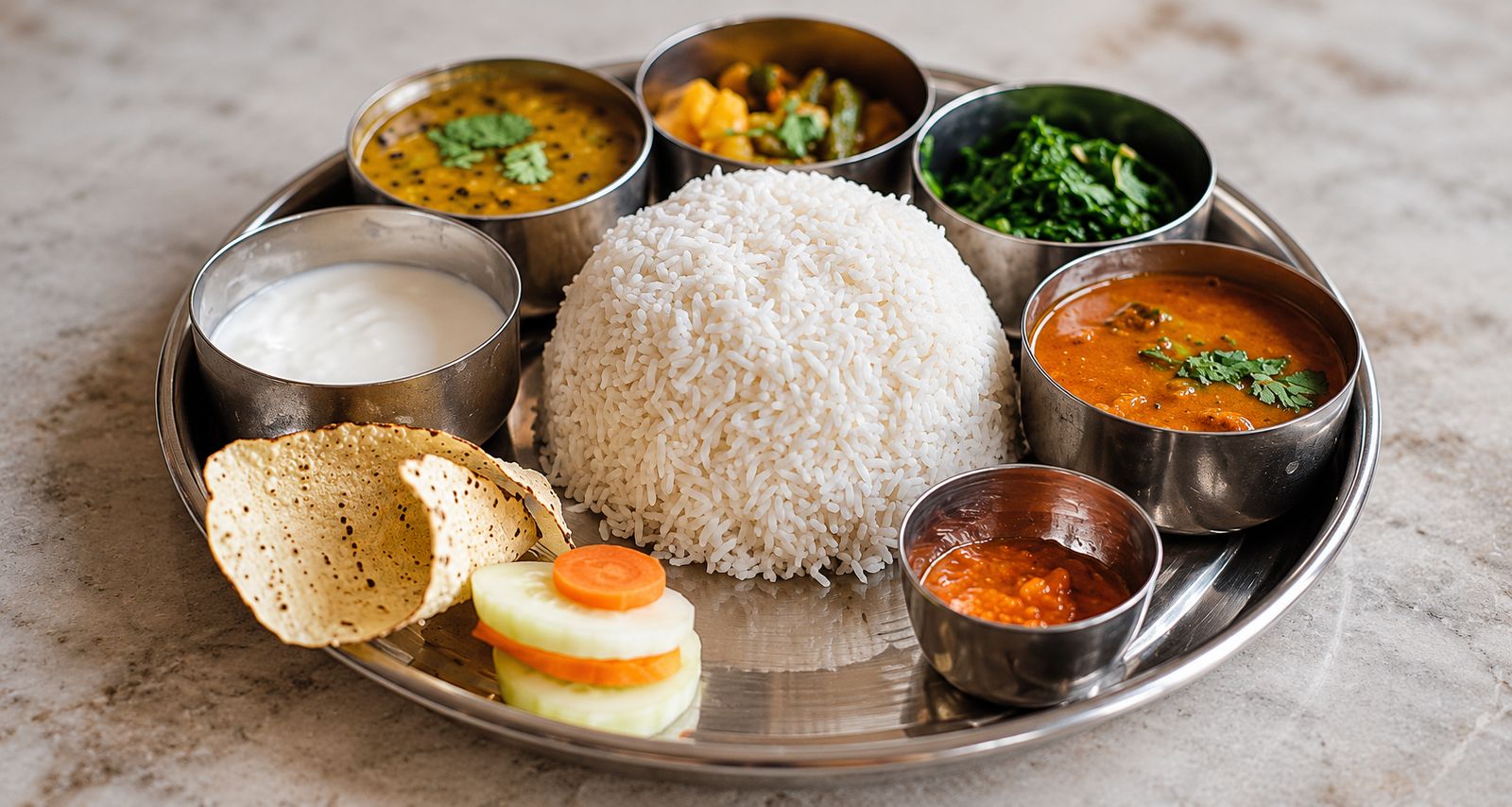
Dal bhat

Dal bhat

The national meal

Rice, lentil soup, seasonal vegetables and pickle. Most Nepalis eat it twice a day, and refills are usually free.

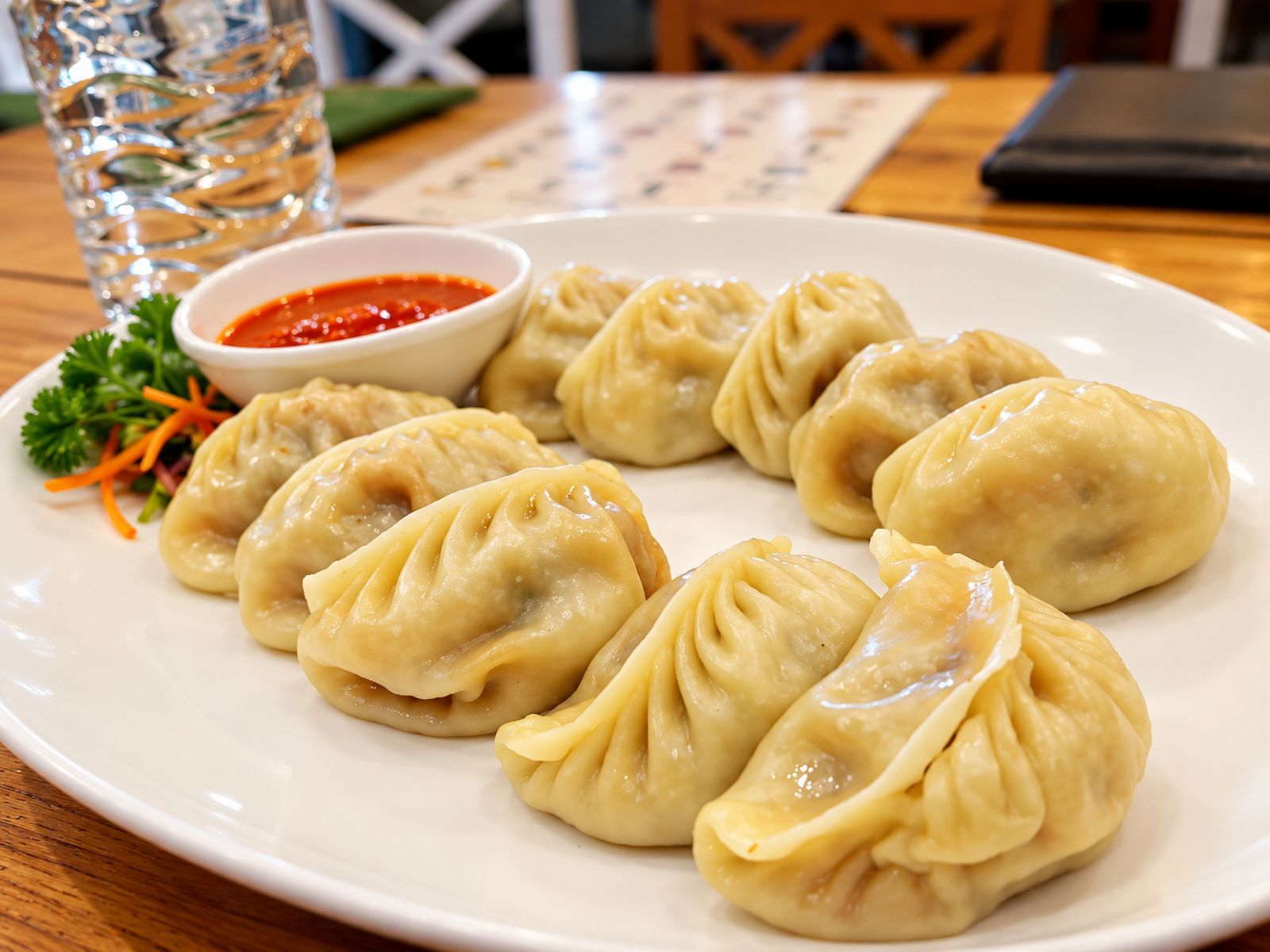
Momo dumplings

Momo

Steamed or fried dumplings

Filled with buffalo, chicken or vegetables and served with a spicy tomato chutney. The favourite snack in every town.

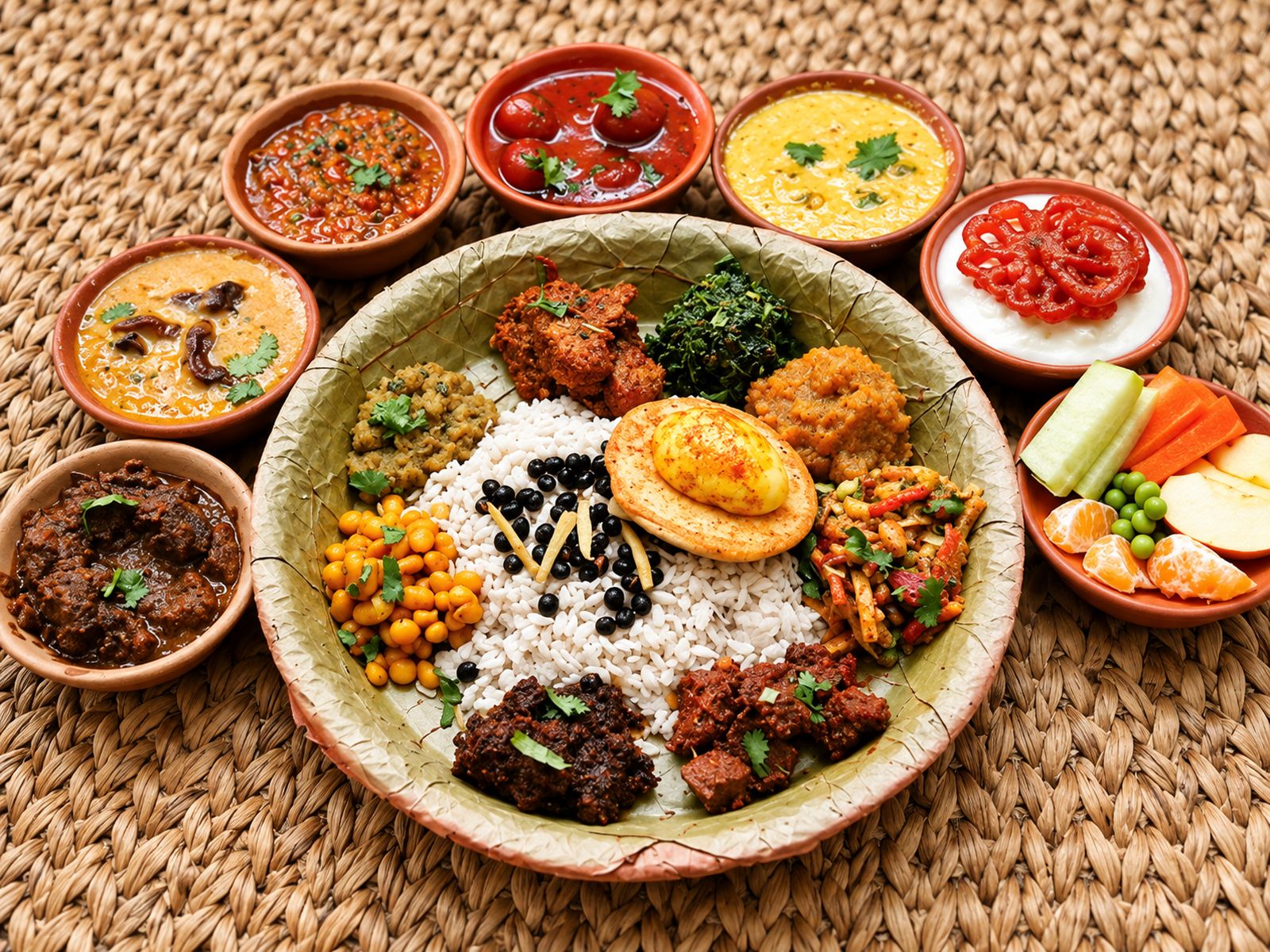
Newari food

Newari feast

Kathmandu Valley specialty

Beaten rice with spiced meats, black soybeans, ginger and egg. Bold flavours that are best shared at a long table.

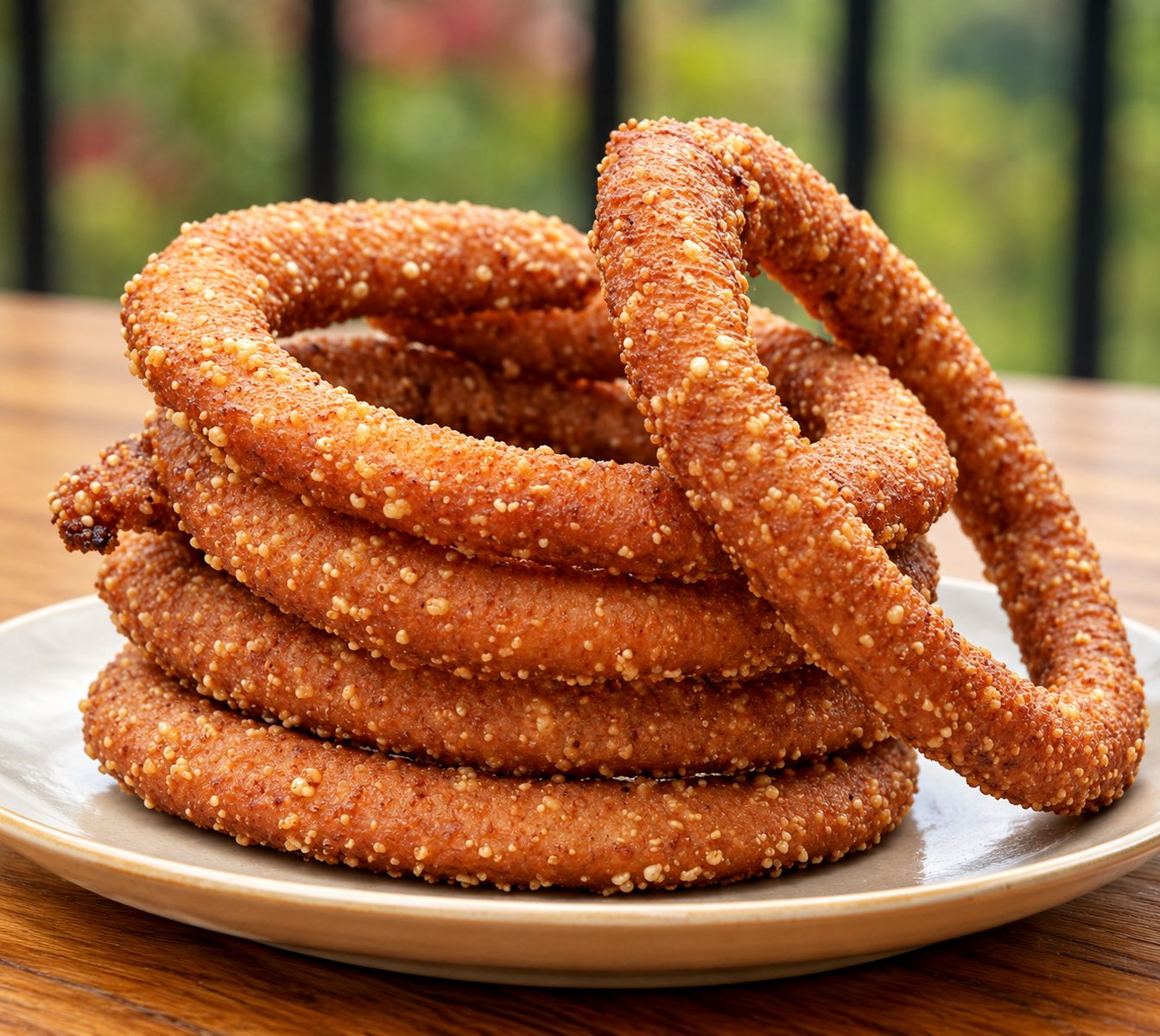
Sel roti

Sel roti

Festival bread

A ring-shaped, crisp-outside, soft-inside rice bread fried in oil, made especially during Tihar and Dashain.

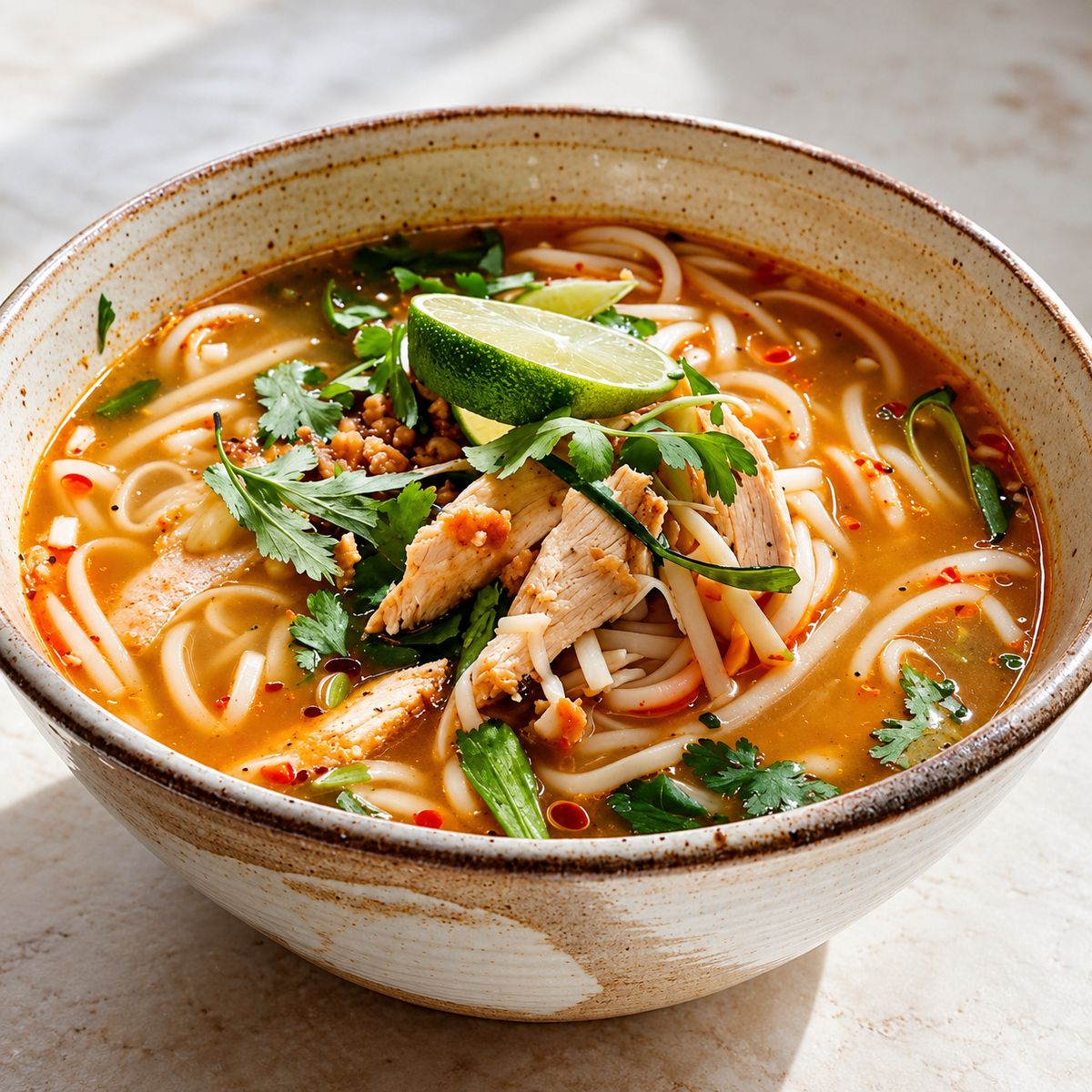
Thukpa noodle soup

Thukpa

Mountain comfort food

A warm noodle soup with vegetables or meat, perfect after a cold morning in the hills.

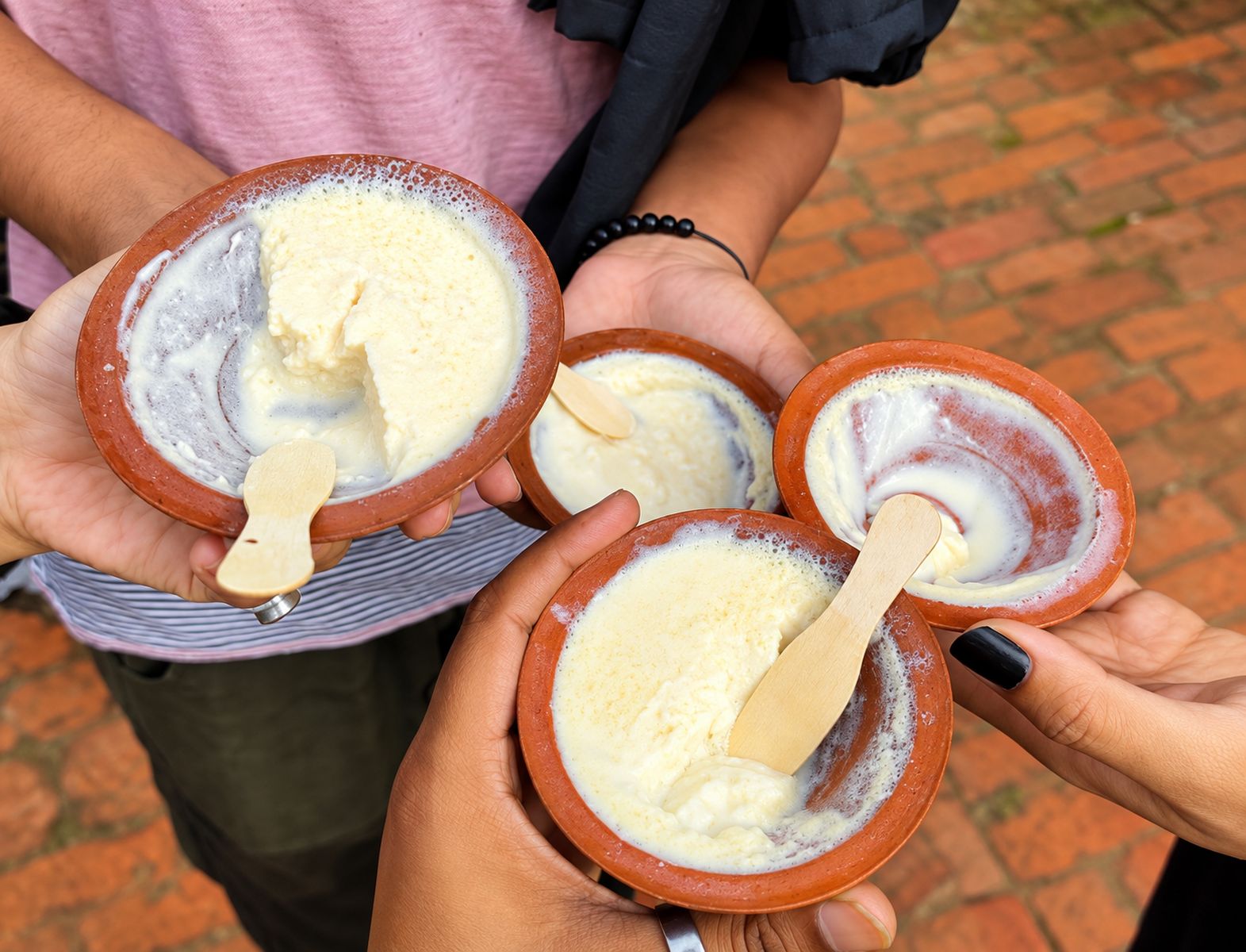
Juju dhau

Juju dhau and masala chiya

Dessert and a hot drink

Bhaktapur's creamy "king of yogurt" served in a clay pot, followed by spiced milk tea.

The best time to visit

Nepal can be visited all year, but each season offers something different.

Spring

March to May Great

Warm days, blooming rhododendrons and good mountain views. A very good time for wildlife in the Terai.

Summer

June to August Quieter

Monsoon rain turns everything green. Fewer crowds and lower prices, but cloud can hide the peaks and roads can be slow.

Autumn

September to November Best

Clear skies, crisp air and the big festivals. This is the most popular season for views and trekking.

Winter

December to February Good

Cold in the hills but sunny and pleasant in Chitwan, Bardiya and Lumbini. Excellent for jungle safaris.

How we plan your trip

We handle the details so you can enjoy the journey.

  1. Tell us what you like

    Share your dates, interests and budget by WhatsApp, phone or email.

  2. Get a custom plan

    We suggest a day-by-day route with stays, activities and transport.

  3. Confirm and relax

    We book hotels, guides, drivers and park permits for you.

  4. Travel with support

    Our team stays in touch throughout your trip, from pickup to departure.

Questions travellers ask us

Do I need a visa for Nepal?

Most nationalities can get a visa on arrival at Tribhuvan International Airport or at land borders. Rules and fees change, so please check the official Department of Immigration website before you travel.

Is Nepal safe for tourists?

Nepal is considered a friendly and welcoming destination. Take normal precautions, use licensed guides for jungle and mountain activities, and we'll arrange trusted drivers and guides for your trip.

How many days do I need?

A week is enough for Kathmandu, Pokhara and Chitwan. Ten to twelve days lets you add Lumbini, Bandipur or Nagarkot at a relaxed pace.

Can you customise a package?

Yes. Every package on this site can be shortened, extended or mixed with others to suit your dates and interests.

What should I pack?

Light layers, comfortable walking shoes, a rain jacket, sunscreen, insect repellent and a power adapter. Warm clothes are useful in winter and in the hills.

What currency do you accept?

Nepali rupees are used for local spending. Please contact us to confirm accepted payment methods for bookings.

Ready to see Nepal?

Tell us when you're coming and what you love. We'll send you a plan within a day.